


Naturally Ventilated Polyhouse
Product Details:
- Features High durability, lightweight structure, easy installation, pest prevention, cost-effective
- Surface Treatment Galvanized/anti-corrosive treated frame surface
- Usage & Applications Horticulture crops, vegetables, floriculture, nursery, research
- Product Type Naturally Ventilated Polyhouse
- Greenhouse Size Customized as per requirement (commonly 1000 m - 4000 m)
- Cover Material UV stabilized polyethylene film
- Film Thickness 120 - 200 microns
- Click to View more
X
Naturally Ventilated Polyhouse Price And Quantity
Naturally Ventilated Polyhouse Product Specifications
- Customized as per requirement (commonly 1000 m - 4000 m)
- Naturally Ventilated Polyhouse
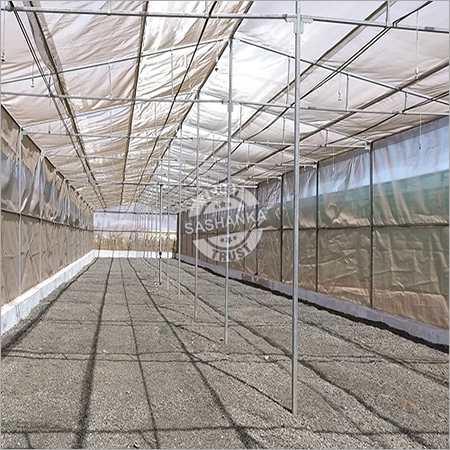
- Natural ventilation with roll-up sidewalls, optional foggers or misting systems
- 7 14 meters
- Manual/Automatic climate monitoring options
- Galvanized/anti-corrosive treated frame surface
- High durability, lightweight structure, easy installation, pest prevention, cost-effective
- Provision for natural daylight, optional LED grow lights
- UV stabilized polyethylene film
- Horticulture crops, vegetables, floriculture, nursery, research
- 120 - 200 microns
Naturally Ventilated Polyhouse Trade Information
- Yes
Product Description
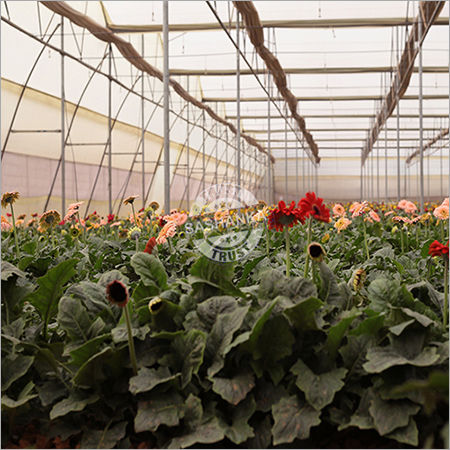
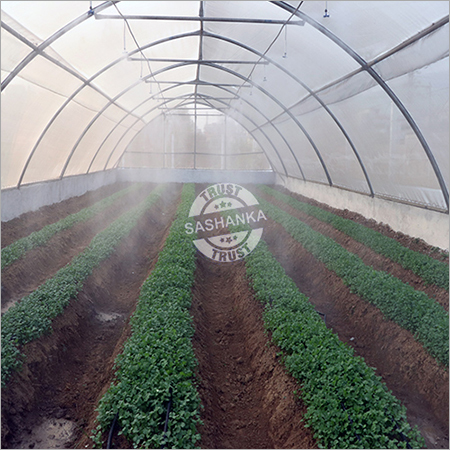
Our specially designed Naturally Ventilated Polyhouse is suitable for cultivation of cut flowers like gerbera, carnation, dutch roses, anthurium, exotic vegetables like cherry tomato, cucumber, broccoli, colored capsicum & medicinal plants. Our Naturally Ventilated Polyhouse is equipped with ventilation & screening systems, plant trellising, latest micro irrigation & fertigation systems. Our G.I fabricated Naturally Ventilated Polyhouse is covered with polyethylene film. Our Naturally Ventilated Polyhouses are available in sizes range from 500 Sqmtr to 20000Sqmtr/customized.
Designed for Optimum Airflow & Crop Health
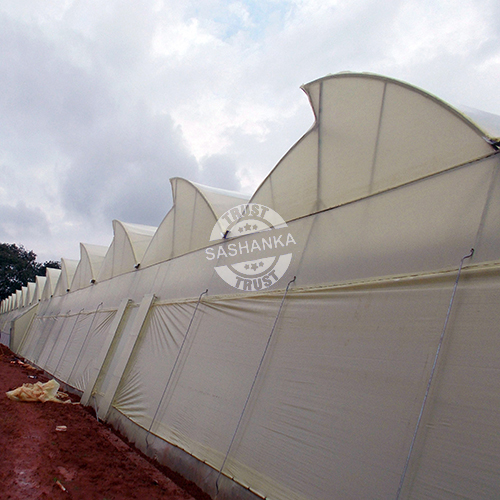
This polyhouse utilizes a Gothic arch or dome-shaped structure with strategically placed natural side and roof ventilation to foster healthy air circulation. The result is better temperature regulation and reduced plant disease risk, ensuring more productive crops throughout the growing season.
Robust Construction for Indian Climates
Crafted from galvanized, anti-corrosive frames and fitted with UV-stabilized polyethylene film, the structure is engineered to withstand harsh conditionswinds up to 120 km/h and regional snow. With a service life of up to 810 years for frames and 35 years for films, it ensures lasting resilience.
Flexible, User-Friendly Installation
Supplied in pre-fabricated components, the polyhouse is straightforward to assemble onsite. Sizes are customizable, usually ranging between 1000 m and 4000 m, and a variety of accessories can be added for climate or irrigation control to suit specific crop requirements.
FAQs of Naturally Ventilated Polyhouse:
Q: How does the natural ventilation system work in this polyhouse?
A: The natural ventilation system leverages strategically designed side and roof openings, including roll-up sidewalls. These features encourage passive airflow, maintaining optimal temperatures and humidity without mechanical intervention unless optional systems are desired.Q: What types of crops can be grown in this naturally ventilated polyhouse?
A: This polyhouse is ideal for horticulture crops, vegetables, floriculture, nursery plants, and research purposes. The controlled environment reduces disease risk, supporting healthier and more abundant yields for a wide range of plants.Q: When should I consider replacing the covering film?
A: The UV-stabilized polyethylene film typically lasts 35 years, after which its clarity and UV protection may decrease. Inspect the film regularly for wear or damage and replace it as needed to maintain optimal growing conditions and crop protection.Q: Where is this polyhouse best suited for installation?
A: This structure is designed for varied Indian climatesincluding regions with high winds or snow. It is suitable for farms, research institutions, nurseries, and commercial horticultural ventures seeking cost-effective climate protection.Q: What is the process for installing the polyhouse?
A: The polyhouse comes as pre-fabricated components for easy erection. Assembly is straightforward and can often be completed using basic tools with standard instructions. Custom sizing ensures it fits the site efficiently and speedily.Q: How do optional accessories like foggers or sensors enhance usage?
A: Optional accessories such as foggers, drip irrigation, fan-pad systems, and climate sensors automate or optimize humidity, irrigation, and temperature control. These additions help create an even more stable and productive environment for sensitive or high-value crops.Q: What are the key benefits compared to traditional farming structures?
A: This polyhouse offers superior pest prevention, improved yield and crop quality, lower operational costs due to passive climate control, quick installation, and a lightweight yet durable buildmaking it an economically smart solution for modern growers.Tell us about your requirement

Price:
Quantity
Select Unit
- 50
- 100
- 200
- 250
- 500
- 1000+
Additional detail
Mobile number
Email

Other Products in 'Greenhouses' category

Contact Details
SASHANKA AGRO TECH PVT. LTD.
GST : 20AAFCS8935A1ZP
GST : 20AAFCS8935A1ZP

- Morabadi, Ranchi - 834008, Jharkhand, India
- Phone :08045801926
 Send Inquiry
 Send SMS
- Assistant Manager - Sales & Marketing
Mobile :+918037301542 - Send Inquiry
 Send Inquiry
Quick Inquiry

|

 |
SASHANKA AGRO TECH PVT. LTD.
All Rights Reserved.(Terms of Use) Developed and Managed by Infocom Network Private Limited. |
